What Causes Memory Loss :Let me start with something that might surprise you: forgetting where you put your keys is usually not a sign of something serious.
I’ve spent years helping patients understand their cognitive health, and I’ve seen how the fear of memory loss can cause unnecessary panic. Every day, people in their 40s, 50s, and beyond worry that normal forgetfulness signals something much worse. They’re stressed, ashamed, and afraid to talk about it.
But here’s the truth: most memory lapses are perfectly normal. And understanding the actual triggers is the first step toward addressing them.
Let me walk you through what I’ve learned.
The Big Question: Forgetfulness or Something More?
The biggest concern for most people—and their family members—is usually whether memory loss is the first sign of Alzheimer disease or another form of dementia. It’s a valid concern. But here’s the reality check: if you’re aware enough of your memory loss to be concerned about it, you typically do not have early dementia.
Memory loss can be temporary or it can develop slowly over time. Not all forgetfulness is a sign of a serious problem, but it’s important to seek care if memory loss begins to interfere with daily life.
Common Causes of Memory Loss
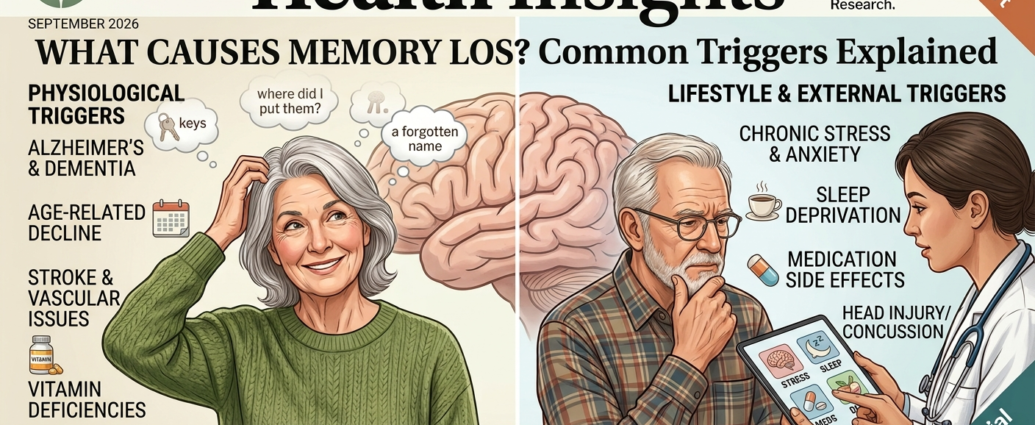
1. Normal Age-Related Changes
Normal aging can cause some forgetfulness. Most older adults have some memory problems. Retrieving memories of new things—like a new neighbor’s name or how to use a new computer program—takes longer. Older adults also have to rehearse new memories more often for them to be stored.
People with this type of memory loss occasionally forget things, such as where they left their car keys. But unlike people with dementia, the ability to do daily activities or to think is not impaired. Given enough time, these people usually remember, although sometimes later than is convenient.
This type of memory loss is not a sign of dementia or early Alzheimer disease.
2. Emotional Distress and Mental Health
Stress can interfere with forming a memory and with recalling a memory, partly by causing preoccupation and thus preventing people from paying attention. This is why you might walk into a room and forget why you’re there when your mind is racing.
Depression can cause a type of memory loss called pseudodementia that resembles memory loss due to dementia. However, people with memory loss due to depression, unlike those with dementia, are aware of their memory loss and complain about it. They also rarely forget important current events or personal matters and usually have other symptoms, such as intense sadness, sleeping problems, sluggishness, or loss of appetite.
Serious life changes such as the death of a loved one, moving to a new home, or retirement can cause extreme stress that leads to forgetting things or feeling confused. It’s important to seek support from family, friends, or a therapist to help ease these transitions.
3. Medical Conditions
Some medical conditions contribute to memory problems. These include:
- Head injuries
- Alcohol abuse
- Thyroid, kidney, or liver disorders
- Tumors or blood clots
- Infections in the brain
- Vitamin deficiencies such as B12 deficiency
Often, treating these conditions helps the memory problems decrease.
4. Medication Side Effects
It’s not unusual for side effects of some medications to cause memory problems. Overuse of medicines such as barbiturates, opioids, or hypnotics can contribute.
5. Dementia and Progressive Disorders
Dementia is a much more serious decline in mental function. Memory loss, particularly for recently acquired information, is often the first symptom and becomes worse with time.
People who have dementia may:
- Forget entire events, not just the details
- Have difficulty remembering how to do things they have done many times before
- Be unable to do things that require many steps, such as following a recipe
- Forget to pay bills or keep appointments
- Forget to turn off a stove or lock the house
In the early stages of dementia, people may be aware of their memory loss. But as dementia progresses, they become unaware of it and often deny that they have such loss.
Common types of dementia associated with memory loss include:
Mild Cognitive Impairment: The Gray Area
Mild cognitive impairment (MCI) is an imprecise term used to describe impairments in mental function that are not severe enough to affect daily functioning. Memory loss is often the most obvious symptom.
People with MCI have trouble remembering recent conversations and may forget important appointments or social events, but they typically remember past events. Attention and the ability to do daily activities are not affected.
People with mild cognitive impairment are at increased risk for developing dementia. However, it’s not a guarantee—some people with MCI remain stable, and others even improve.
Less Common but Treatable Causes
Some disorders that can cause memory loss may be reversed with treatment. These include:
- Hypothyroidism (underactive thyroid)
- Normal pressure hydrocephalus (excess fluid around the brain)
- Subdural hematoma (pocket of blood under the brain’s outer membrane)
- Vitamin deficiencies (especially B1 or B12)
In people with these disorders, treatment can sometimes improve memory and mental function. If damage is more extensive, treatment may not improve mental function but can often prevent further deterioration.
When to See a Doctor
It’s advisable to seek professional guidance when you notice:
- Memory disruptions that interfere with daily life
- Difficulty planning or solving problems
- Challenges with familiar tasks
- Confusion about time or place
- Misplacing items with an inability to retrace steps
- Poor judgment
- Withdrawal from social or work activities
- Significant mood or personality changes
Identifying these signs early allows for timely clinical evaluation and interventions that can make a meaningful difference.
How Supplements Like Harmo Brain Fit Into the Picture
When people experience memory issues, many look for solutions beyond lifestyle changes. The cognitive supplement space is flooded with products promising sharper focus and better memory.
Products like Harmo Brain have emerged, marketed as cognitive enhancement supplements designed to support memory, focus, and overall brain health. The concept is that the brain, like any other part of the body, needs the right support to function at its best.
What Does the Research Say About Such Formulations?
Some research on similar compounds has shown interesting potential. For example, compounds known as β-carbolines—which are found in certain plant extracts—have demonstrated neuropharmacological effects in research settings. Studies have shown that:
- Harmine, a β-carboline, decreased depressive behaviors in animal models and was associated with increased BDNF expression in the hippocampus, which is crucial for neuroplasticity
- Harmaline demonstrated anxiolytic effects, likely through modulation of GABA-A receptors
- These compounds have been noted to alleviate stress-related cognitive decline
The mechanisms behind these effects may include:
- Monoamine modulation—Inhibiting MAO-A, which increases serotonin and dopamine availability
- GABAergic enhancement—Supporting the brain’s natural calming system
- Antioxidant defense—Reducing oxidative stress that can damage brain cells
- BDNF modulation—Supporting neuroplasticity and cognitive function
However, it’s important to note that no published research has specifically explored the combined administration of these compounds in human neurobehavioral studies. The research is preclinical—meaning it has been conducted in laboratory settings and animal models, not in human clinical trials.
Important Caveats
If you’re considering a supplement like Harmo Brain, it’s important to be aware of potential red flags. Research on similar products like MaroBrain has identified concerns including:
- Vague health claims—Claims that a pill “supports brain health” are simple structure-function statements that require far less regulatory scrutiny than actual medical claims
- Lack of independent clinical proof—Without peer-reviewed studies on the specific formula, you may be paying for marketing, not proven results
- Aggressive marketing tactics—Countdown timers, “limited stock” warnings, and pressure to buy multiple bottles are designed to prevent careful research

What Actually Works for Brain Health
Before considering any supplement, focus on what research consistently shows supports cognitive health:
Lifestyle factors that support memory:
- Regular exercise—physical activity benefits brain health
- A healthy diet—nutrition plays a key role
- Social engagement—connection matters
- Mental stimulation—challenge your brain
- Managing chronic medical conditions
When to consider supplements:
If you’re considering a supplement for cognitive support, look for:
- Transparency—Clear ingredient information that can be independently verified
- Science-backed ingredients—Compounds with some research supporting their use
- Realistic expectations—Supplements may offer modest support, not dramatic transformation
Final Thoughts
Memory loss is a concern that touches nearly everyone as they age. But fear and misinformation often make it worse than it needs to be.
The truth is that most memory lapses are normal. The causes are often treatable—whether through managing stress, addressing medical conditions, adjusting medications, or making lifestyle changes.
If you’re concerned about your cognitive health, there are steps you can take:
- Talk to your doctor—Early evaluation can provide answers and options
- Adopt brain-healthy habits—Exercise, nutrition, sleep, and social engagement all matter
- Be cautious with supplements—Do your research and look for transparency
- Don’t panic—Many memory issues are treatable or manageable
Your brain health matters. It deserves attention, care, and the best support available.
Disclaimer: I am not a medical professional. This article is for informational purposes only and does not constitute medical advice. Always consult a healthcare professional before starting any supplement—especially if you are on medication or have pre-existing health conditions. If you believe you or a loved one may have a cognitive issue, please seek professional medical evaluation.
Read also
ProDentim Review: Does This “Candy” Actually Fix Bad Breath?