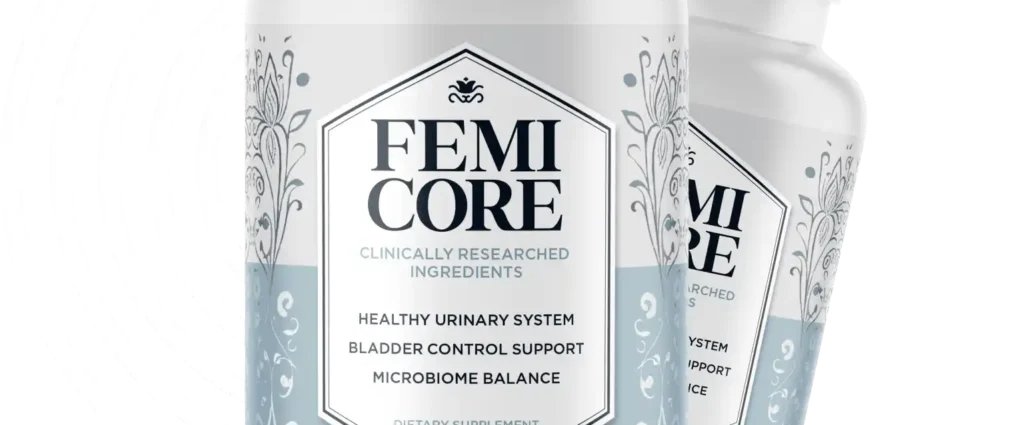
FemiCore Side Effects :If you’re considering FemiCore, you’re likely wondering one thing above all else: “Is it safe?” This is a critical question, and it’s essential to examine the available information critically, especially when marketing claims often paint a glowing picture. Here, we cut through the hype to give you a clear-eyed look at the safety profile of this women’s bladder support supplement.
General Safety and Tolerability
For many healthy adult women, FemiCore is generally considered well-tolerated when used as directed. The formula is described as non-GMO and free from stimulants, designed to work gently with the body’s natural processes. Many users report no significant issues.
However, two critical points should be kept in mind. First, “natural” does not automatically mean “risk-free” for everyone. Second, dietary supplements are not regulated or approved by the FDA for safety and efficacy before they reach the market. The “FDA-registered” claim associated with the manufacturing facility means the facility has notified the FDA of its existence, not that the product itself has been approved.
Common Side Effects
Based on available information, FemiCore has no serious reported side effects for most users. The formula works gently with the body to support the urinary microbiome and reduce bladder discomfort.
However, individual reactions can vary. The most common experience reported during the first one to two weeks is mild digestive adjustment—such as temporary changes in bowel habits or mild bloating—as the gut microbiome responds to the new probiotic strains and botanical compounds. This typically resolves within a week or two as your system adjusts.
Key Safety Warnings and Who Should Be Cautious
Ingredient-Specific Caution: Bearberry (Uva Ursi)
One of the most important safety flags involves Bearberry, an ingredient included for its traditional use in urinary tract support. The active compound in bearberry is arbutin, which is metabolized into hydroquinone. Due to this, guidelines from the NIH and other health authorities specify that bearberry should not be used continuously for more than two weeks at a time, as prolonged use may stress the liver.
If you are using FemiCore, which contains bearberry, it is advisable to follow a “cycling” protocol (e.g., two weeks on, two weeks off) to align with safety best practices. This information is not disclosed on the FemiCore sales page, making it an important consideration for informed use.
Ingredient-Specific Caution: Berberine Interactions
Berberine, another key ingredient in FemiCore, has documented interactions with certain medications. It can significantly amplify the effects of diabetes medications like metformin, potentially leading to hypoglycemia (dangerously low blood sugar). It can also affect blood pressure medications and cyclosporine.
If you are on any prescription medication—especially for blood pressure, diabetes, thyroid, or immune function—consult your healthcare provider before starting FemiCore. This is not a minor warning; berberine has real pharmacological effects that can interact with prescription drugs in clinically meaningful ways.
Medication Interactions Summary
| Medication Type | Potential Interaction | Action Needed |
|---|---|---|
| Blood pressure medications | May amplify effects | Monitor blood pressure; consult doctor |
| Diabetes medications (metformin, insulin) | May lower blood sugar too much | Monitor glucose levels; consult doctor |
| Cyclosporine | May affect drug levels | Avoid or consult doctor |
| Diuretics | May affect fluid balance | Consult doctor |
| Thyroid medications | May affect absorption | Consult doctor |
Who Should Not Use FemiCore
FemiCore is not recommended for:
Pregnant or nursing women: Safety during pregnancy and breastfeeding has not been established. The effects of the botanical ingredients on fetal development or infants are not well-studied.
Anyone with kidney disease: Bearberry and berberine may be problematic for individuals with compromised kidney function. The kidneys process many of the compounds in these botanicals, and impaired kidney function could lead to accumulation.
Anyone with an active urinary tract infection (UTI): A supplement is not a substitute for proper medical evaluation and treatment of an active infection. If you have pain, fever, or blood in your urine, seek medical attention immediately.
Those with known allergies: Individuals with sensitivities to any of the ingredients should avoid FemiCore.
Those preparing for medical procedures: Discontinue use and inform your healthcare provider before any planned surgery.

The Counterfeit Risk: A Significant Health Hazard
An often-overlooked safety risk is not the supplement itself, but where you buy it. Multiple unauthorized websites and third-party marketplaces like Amazon and eBay sell counterfeit products under the FemiCore name.
These counterfeit products are a significant safety hazard—they are manufactured in unregulated facilities with no oversight, carrying risks of:
- Contamination: With harmful substances, heavy metals, or bacteria
- Altered labels: Inaccurate ingredient lists that may omit or add components
- Potentially harmful, unlisted ingredients: Unknown compounds that could be dangerous
- Inconsistent potency: Wildly varying doses from bottle to bottle
You are also completely ineligible for the manufacturer’s support or the 60-day money-back guarantee if you buy from an unauthorized source. The only way to ensure you are getting the genuine product is to purchase it directly from the official FemiCore website.
When to Consult a Doctor
If you experience pain, fever, blood in urine, recurring infections, or new symptoms that worsen, those situations require a clinical evaluation from a qualified healthcare provider before starting any supplement—FemiCore included.
You should consult a healthcare provider before starting FemiCore if you are:
- Pregnant or nursing
- Taking any prescription medication, especially for blood pressure, diabetes, thyroid, or immune conditions
- Managing a chronic health condition, particularly kidney disease
- Have known allergies to any of the ingredients
- Experiencing symptoms that may indicate an active UTI
Manufacturing and Safety Standards
The official FemiCore website states the product is manufactured in an FDA-registered, GMP-certified facility in the United States. This is a positive indicator, as GMP certification (Good Manufacturing Practices) means the facility adheres to strict protocols regarding cleanliness, equipment maintenance, and raw material handling.
However, several important points should be understood:
- “FDA-registered” does not mean FDA-approved: The FDA does not evaluate or approve dietary supplements for safety or efficacy before they go to market
- GMP certification is voluntary: While a positive sign, it does not guarantee product efficacy
- The finished product is not clinically tested: There is no published clinical trial on the completed FemiCore formula
Summary: Is FemiCore Safe?
| Category | Recommendation |
|---|---|
| Healthy Adults | Generally well-tolerated, but individual responses vary. Monitor for mild digestive adjustment in first 1-2 weeks. |
| Pregnant/Nursing | Avoid. Consult a doctor. |
| On Medication (blood pressure, diabetes, thyroid) | Consult a doctor first. Berberine can interact with medications. |
| On Cyclosporine | Avoid or consult a doctor immediately. |
| Kidney Disease or Active UTI | Avoid. Seek medical evaluation. |
| Bearberry Use | Consider cycling (2 weeks on, 2 weeks off) due to continuous-use limitations. |
| Purchasing | Only buy from the official website. Counterfeit products carry significant health risks. |
| Allergic Reactions | Discontinue use if any allergic reaction occurs. |
The Bottom Line
FemiCore appears to be well-tolerated by many women, but it is not for everyone. The formula contains bearberry, which has documented safety guidelines recommending cycling, and berberine, which can interact with prescription medications.
If you are pregnant, nursing, on prescription medication (especially for blood pressure, diabetes, thyroid, or immune conditions), have kidney disease, or suspect an active UTI, consult your healthcare provider before using FemiCore.
And to protect your health and your wallet, only purchase from the official website to avoid the significant risks of counterfeit products. The 60-day money-back guarantee applies exclusively to official-site purchases, and counterfeit products carry contamination risks that are not worth taking.
Frequently Asked Questions
Are there any FemiCore side effects?
Most users report no serious side effects. Some may experience mild digestive adjustment—temporary changes in bowel habits or bloating—during the first 1-2 weeks as the body adjusts.
Is FemiCore FDA approved?
No. Dietary supplements are not reviewed or approved by the FDA for safety or effectiveness before they are sold. FemiCore is manufactured in an FDA-registered facility, but the product itself is not FDA approved.
Can I take FemiCore if I’m on medication?
Consult your healthcare provider first. Berberine can interact with blood pressure medications, diabetes medications, cyclosporine, and other drugs. Do not combine FemiCore with prescription medications without professional medical guidance.
Can I take FemiCore if I have kidney disease?
No. Bearberry and berberine may be problematic for individuals with kidney disease. Consult your healthcare provider.
Can I take FemiCore if I have a UTI?
No. A supplement is not a substitute for proper medical treatment of an active infection. If you have pain, fever, or blood in your urine, seek medical attention immediately.
Can I take FemiCore while pregnant or nursing?
No. Safety during pregnancy and breastfeeding has not been established. Consult your healthcare provider.
How long can I take FemiCore continuously?
Due to the bearberry content, health authorities recommend cycling (e.g., 2 weeks on, 2 weeks off) rather than continuous use.
How do I avoid counterfeit FemiCore?
Only purchase from the official FemiCore website. Counterfeit products on third-party marketplaces carry significant contamination risks and are not eligible for the money-back guarantee.